What Parts Do I Need to Install a Water Heater?
Installing a new water heater is a major task that requires the right tools, knowledge, and components to ensure safe and efficient operation. Whether you’re replacing an old unit or setting up a new system in your home, it’s important to gather all the necessary parts beforehand. If you’re considering a water heater installation in Carlsbad, understanding which components are essential can help you save time, avoid unnecessary delays, and make the process smoother. For more complex situations, it’s always wise to call an emergency plumber in Carlsbad to avoid costly mistakes.
Introduction to Water Heater Installation
A water heater is a vital appliance in any household. It supplies hot water for showers, laundry, dishwashing, and more. Proper installation is crucial to ensure the unit functions safely and effectively for years. Whether you’re installing a gas or electric water heater, most of the necessary parts are the same, with a few variations. Below is a breakdown of the key components you’ll need for a successful water heater installation.
Essential Parts for Water Heater Installation
1. The Water Heater Unit
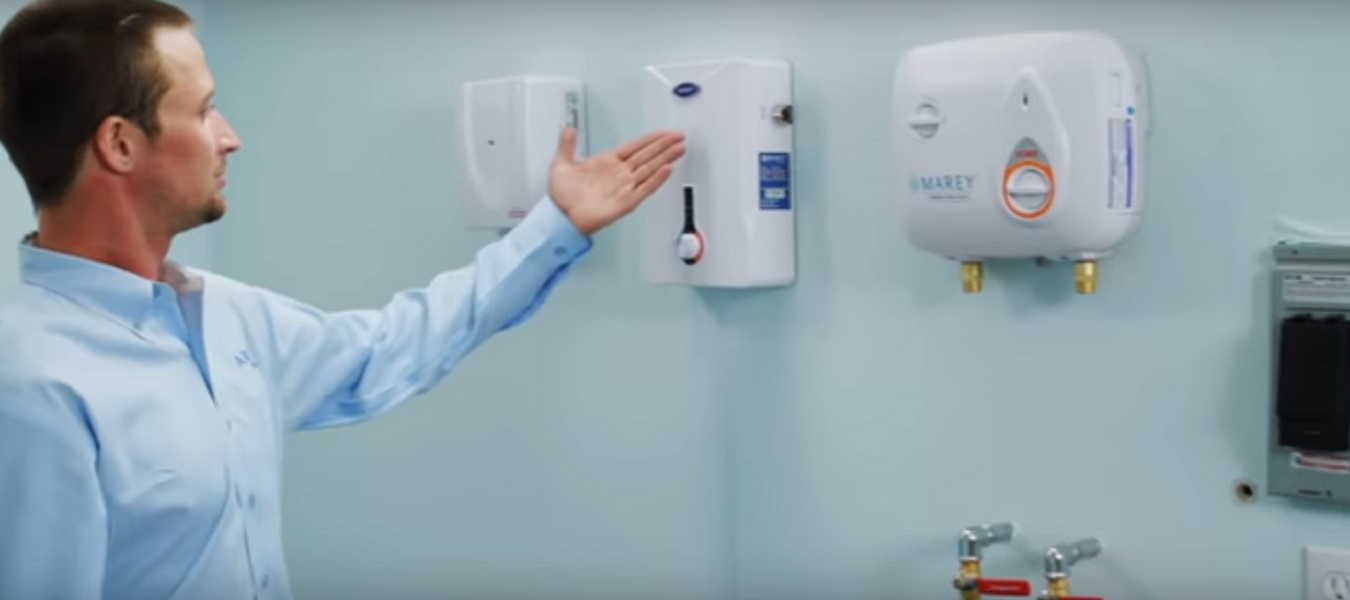
Naturally, the central component of any installation is the water heater itself. You’ll need to choose between a tank-type or tankless unit, and decide on an energy source—either gas or electric. The choice often depends on your household’s hot water needs and energy preferences.
2. Water Supply Lines
Flexible stainless steel or copper water supply lines connect the cold water inlet and hot water outlet to your home’s plumbing. These lines should be durable and heat-resistant to handle the temperature and pressure of heated water. Shut-off valves are also necessary to control the flow of water to the unit.
3. Dielectric Unions
These are connectors used between dissimilar metals (like copper and steel) to prevent corrosion caused by galvanic reactions. Dielectric unions help extend the life of your water heater and plumbing system.
4. T&P (Temperature and Pressure Relief) Valve
This is a critical safety component that comes with most new water heaters. The T&P valve releases water if the pressure or temperature in the tank exceeds safe limits. It must be installed correctly and connected to a discharge pipe that leads to a safe drainage location.
5. Drain Pan
A drain pan placed beneath the water heater helps protect your floors from leaks or drips. It’s especially important in indoor installations or in areas where leaking water could cause damage.
6. Expansion Tank (If Required)
An expansion tank is required in many areas to prevent pressure build-up caused by thermal expansion in closed water systems. It absorbs excess pressure and helps maintain safe operation.
7. Venting Components (For Gas Units)
If you’re installing a gas water heater, proper venting is vital for safety. This includes:
- A vent pipe
- Vent cap
- Draft hood These components direct combustion gases safely outside the home. Improper venting can lead to dangerous carbon monoxide buildup.
8. Electrical Wiring (For Electric Units)
If you’re installing an electric water heater, you’ll need the proper electrical wiring and possibly a dedicated circuit breaker. Make sure the wiring is up to code and can handle the voltage and amperage requirements of the new unit.
9. Gas Supply Line and Shut-Off Valve (For Gas Units)
For gas water heaters, a gas supply line, shut-off valve, and possibly a flexible connector are required. It’s essential to perform a leak test after installation to ensure safety.
10. Pipe Insulation
To improve energy efficiency and reduce heat loss, consider insulating the hot water pipes. This is especially useful in colder areas or when pipes travel through unheated spaces.
When to Call an Emergency Plumber in Carlsbad
While some experienced DIYers may feel confident installing a water heater, there are many safety and code compliance issues to consider. Improper installation can lead to water damage, gas leaks, electrical hazards, or voided warranties. If you’re unsure about any step in the process, it’s always best to contact an emergency plumber in Carlsbad. A licensed professional can ensure that your water heater installation in Carlsbad is done right the first time, saving you from costly repairs later.
Conclusion
Installing a water heater requires more than just buying a new unit. From supply lines and valves to electrical or gas connections and venting, each component plays a critical role in the system’s operation and safety. Being prepared with the right parts can make the process smoother and more efficient. However, if you have any doubts, don’t hesitate to reach out to a trusted emergency plumber in Carlsbad to handle your water heater installation in Carlsbad safely and professionally.
Choosing the right parts and following correct procedures not only protects your investment but also ensures your family has consistent, safe access to hot water for years to come.