Category: Plumber

What to Expect During a Water Heater Installation | AC Plumbing Construction Guide

Introduction

A water heater is essential in every home. It provides hot water for showers, cleaning, and cooking. When it stops working well, replacement becomes necessary.

Many homeowners feel unsure about the installation process. However, knowing what to expect can make the experience simple and stress-free.

At AC Plumbing Construction, we focus on safe and efficient water heater installation services. We help homeowners replace old units with reliable systems that improve comfort and performance. You can learn more about our services on our Plumbing Services page.

This guide explains each step of the process. It also shares helpful water heater maintenance tips to protect your investment.


Step 1: Initial Inspection and System Check

The installation process begins with a full inspection. A technician from AC Plumbing Construction reviews your current water heater system.

We check the tank condition, plumbing lines, and energy source. This may include gas or electric connections.

We also look at ventilation for gas systems. This step helps us identify safety concerns early.

Next, we help you choose the right replacement unit. Size matters. A home with higher water use needs a larger system. A smaller home may need a compact option.

We match the system to your household needs. This ensures better efficiency and long-term performance.

To understand different system types, you can also review the U.S. Department of Energy water heating guide.


Step 2: Safe Removal of the Old Water Heater

After planning, we remove the old unit. This step must be done carefully.

First, we shut off water, gas, or electricity. Then we drain the tank fully.

Once the system is empty, we disconnect all lines. We remove the old water heater safely from your home.

At AC Plumbing Construction, we follow all safety rules during this step. We also handle proper disposal or recycling of the old unit.

If you want general homeowner safety guidance, the OSHA home safety standards provide useful information.

This keeps your home safe and your space clean.


Step 3: Preparing the Installation Area

Next, we prepare the area for the new system. This step is important for long-term performance.

We inspect the floor space and surrounding plumbing. We make sure everything is level and secure.

Sometimes we upgrade small parts like valves or fittings. This helps prevent future leaks.

We also check local code requirements. If updates are needed, we complete them before installation.

Good preparation improves water heater maintenance and reduces future repair needs.

For more information on plumbing code basics, see the International Association of Plumbing and Mechanical Officials (IAPMO).


Step 4: Installing the New Water Heater

Now we install the new system. This is the most important step in the process.

We place the new water heater in position first. Then we connect it to water and energy lines.

For electric systems, we connect wiring and test voltage. For gas systems, we connect the gas line and check ventilation.

Every connection is checked carefully. Safety is always a top priority at AC Plumbing Construction.

After installation, we fill the tank with water. Then we power the system on and begin testing.

To learn more about efficient systems, you can visit the ENERGY STAR water heater program.


Step 5: Testing and Final Checks

Once the unit is running, we test everything.

We check water temperature and pressure. We also inspect safety valves and thermostat settings.

This step ensures the system works correctly. It also helps improve energy efficiency.

We adjust settings for optimal performance. This helps lower energy use and improves long-term reliability.

Before we leave, we show you how the system works. We also explain basic water heater maintenance steps you should follow at home.


Step 6: Simple Maintenance Tips After Installation

Good maintenance keeps your water heater running longer. It also helps prevent breakdowns.

Here are a few simple tips from AC Plumbing Construction:

  • Flush the tank once a year to remove sediment
  • Check for leaks around valves and pipes
  • Keep the temperature set at a safe, efficient level
  • Schedule regular inspections when needed

You can also explore more homeowner tips on our Water Heater Maintenance Guide.

These small steps make a big difference. They help your system run smoothly for many years.


Conclusion

A water heater installation involves several important steps. Each stage must be done carefully for safety and performance.

At AC Plumbing Construction, we make the process simple. We handle inspection, removal, installation, and testing with care and precision.

Understanding the process helps homeowners feel more confident. It also helps you prepare for what comes next.

After installation, regular water heater maintenance is key. It protects your system, improves efficiency, and extends its lifespan.

If you need a reliable installation or upgrade, AC Plumbing Construction is ready to help keep your home supplied with dependable hot water.…

How Tankless Water Heaters Help Lower Utility Bills

Introduction

The popularity of tankless water heaters has increased as homeowners search for more energy-efficient ways to lower utility bills. Many people do not realize how much energy traditional systems use every day just to heat and store hot water inside a tank.

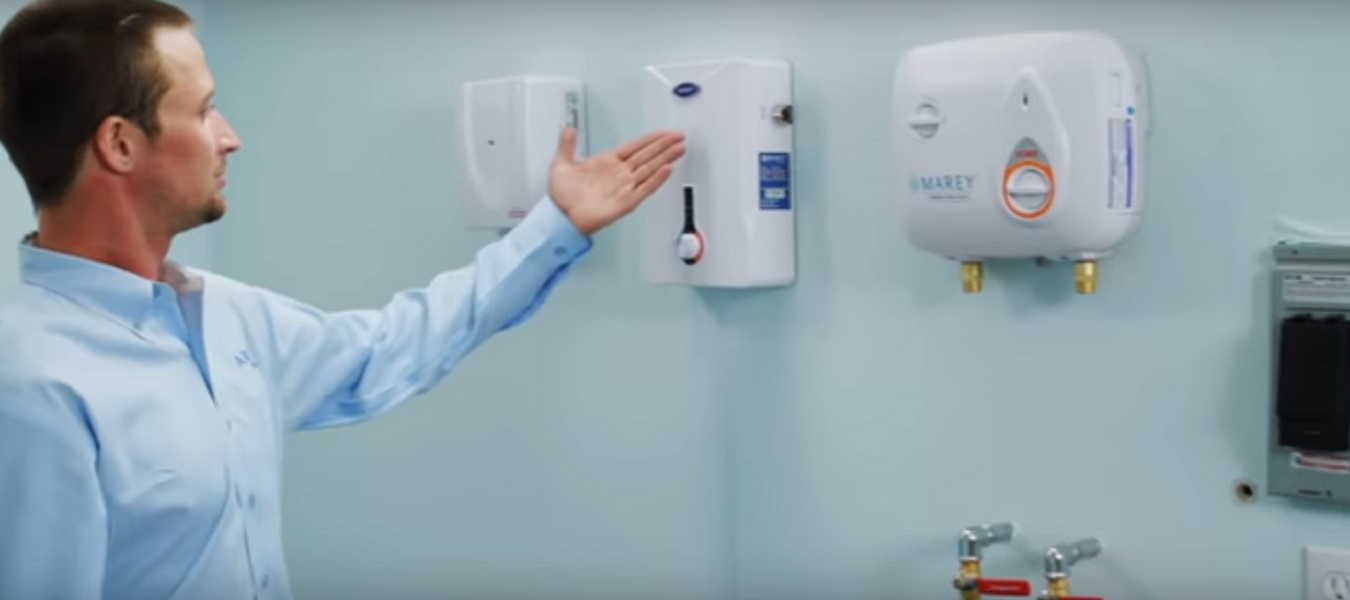
Tankless water heaters work differently from traditional tank-style systems. Standard tanks continuously heat and store water, even when no one uses hot water. Tankless systems only heat water when needed. This on-demand process gives homeowners a more energy-efficient way to meet daily hot water needs.

As utility prices continue to rise, homeowners look for ways to improve efficiency without sacrificing comfort. Installing a tankless water heater can help reduce utility costs, save energy, and improve the long-term performance of your plumbing system.

At AC Plumbing, we help homeowners choose the right water heater for their needs. Our licensed plumbers inspect your plumbing system, explain your options, and recommend the best solution for your home. We also install every system correctly for strong performance and better energy efficiency.


How Tankless Water Heaters Function

Traditional water heaters use a large storage tank to hold heated water. Even when no one uses hot water, the tank still consumes energy to maintain the set temperature. This constant heating increases energy usage throughout the day.

Tankless systems eliminate this standby energy loss. When you turn on a hot water faucet, cold water enters the system and heats instantly using gas burners or electric heating elements. Once the faucet shuts off, the system stops heating water immediately.

Because tankless systems only operate when needed, homeowners use less energy overall. This helps reduce wasted energy and lower monthly utility bills over time.

A licensed plumber can determine the proper tankless system size for your household’s hot water demands and plumbing layout.


Greater Energy Efficiency Means Lower Utility Bills

One of the biggest advantages of tankless water heaters is improved energy efficiency. Traditional tank systems constantly consume energy to keep stored water hot. This creates unnecessary energy use throughout the day.

Tankless systems only heat the water being used. As a result, homeowners often notice lower energy consumption and reduced utility costs. According to the U.S. Department of Energy, households with moderate hot water usage can significantly improve energy efficiency by switching to a tankless system.

Lower energy use often leads to long-term savings on utility bills. Over time, many homeowners recover much of the initial installation cost through these savings.

Many homeowners also enjoy continuous access to hot water without a tank constantly running in the background.


Longer System Life Creates More Savings

Tankless water heaters usually last longer than traditional storage tank systems. Most standard water heaters operate for about 8 to 12 years before replacement becomes necessary. A properly maintained tankless system can often last more than 20 years.

Because the system only heats water when needed, its components experience less ongoing strain. This allows parts to wear down more slowly over time.

Homeowners benefit from fewer replacement costs and longer-lasting equipment. Regular maintenance from a licensed plumber also helps extend system life while maintaining strong energy efficiency.


Reducing Water and Energy Waste

Tankless water heaters help conserve both water and energy. Older storage tank systems sometimes require homeowners to run water longer while waiting for hot water to arrive. Traditional tanks may also lose heat while storing water.

Tankless systems heat water more efficiently and eliminate standby heat loss. Depending on the plumbing layout, some homeowners notice faster access to hot water.

Improved efficiency also benefits the environment because the system uses less energy overall. Many homeowners choose tankless systems to reduce energy waste and lower environmental impact.

Energy-efficient upgrades may also increase property value and appeal to future buyers who want lower operating costs.


Saving Space Inside the Home

Traditional water heater tanks require a large amount of storage space. Homeowners often install them in garages, basements, or utility closets where space is limited.

Tankless systems are much smaller and mount directly onto walls. Their compact size frees up valuable storage space while still providing reliable hot water.

This benefit is especially helpful in smaller homes, condominiums, or properties with limited utility room space.

At AC Plumbing, our licensed plumbers help homeowners choose the best installation location to maximize efficiency and convenience.


Why Professional Installation Matters

Proper installation is important for achieving strong performance and energy efficiency. Incorrect installation can reduce efficiency, create inconsistent water temperatures, and shorten the lifespan of the unit.

Licensed plumbers understand local plumbing codes, ventilation requirements, gas lines, and electrical connections necessary for safe operation.

Professional installation also ensures the system is properly sized for your household’s hot water needs. A unit that is too small may struggle to provide enough hot water. An oversized unit may waste energy and increase unnecessary costs.

At AC Plumbing, we focus on quality workmanship and dependable installations that help homeowners enjoy long-term performance and savings.


Maintaining Long-Term Energy Efficiency

Like all plumbing appliances, tankless systems require regular maintenance to perform efficiently. Hard water minerals can build up inside the unit over time and reduce heating performance.

Regular maintenance may include:

  • Flushing the system
  • Inspecting filters and valves
  • Checking heating components
  • Testing water pressure
  • Inspecting gas or electrical connections

Routine service from a licensed plumber helps maintain system performance and protect energy efficiency for years to come.


Conclusion

Tankless water heaters help homeowners lower utility bills by improving energy efficiency and reducing unnecessary energy usage. Unlike traditional systems that constantly heat stored water, tankless units only operate when hot water is needed.

These systems provide reliable hot water, reduce energy waste, and often last much longer than standard storage tanks. Homeowners also benefit from lower utility costs, space-saving designs, and fewer long-term replacement expenses.

Working with a licensed plumber ensures proper installation, safe operation, and reliable performance. At AC Plumbing, we are committed to helping homeowners improve comfort, efficiency, and long-term savings with dependable water heater solutions.

What to Do When a Full or Partial Blockage in the Sewage System Strikes

INTRODUCTION

It is rare for plumbing issues to come up at a convenient time. When a full or partial blockage occurs in your home’s sewage system, things can quickly escalate. You could be dealing with bad smells, backed up drains, or both. Emergency plumbing services have been designed to provide rapid response, diagnosis, and restoration of your plumbing system. Understanding how emergency plumbing services work, the causes of sewage blockages, and when to call will save you time, money, and frustration. This guide provides you with everything you need to know about handling urgent plumbing issues successfully. Causes of Sewage Blockages

There are a number of different reasons why there might be a full or partial blockage in the sewage system, many of which take time to develop prior to being emergencies. Grease, soap scum, and food waste in kitchen drains are some of the most common causes. These substances accumulate over time and form deposits, restricting water flow.

Another very common reason for sewage blockages is tree roots. Tree roots naturally seek moisture and can grow into sewer lines through small openings, eventually causing considerable blockages. Similarly, flushing non-flushable items such as sanitary wipes, sanitary products, or paper towels into the drains can quickly create clogs.

Older plumbing systems are also more prone to having full or partial blockages. The corrosion of old pipes or the collapse of sewer lines can limit flow, resulting in repeated backups and forcing homeowners to call for emergency plumbing services.

Warning Signs You Can’t Afford to Ignore

Identifying the signs of a full or partial blockage in the sewage system can allow you to take action before the issue gets worse. Some signs include slow draining sinks; gurgling sounds from pipes; and water backing up in areas other than the bathroom sink when you flush the toilet. Unpleasant odors emanating from your drains indicate that waste is not flowing through your system correctly. If several drains in your home are affected at the same time, it indicates a bigger issue with the sewer line, as opposed to a localized clog.

Delaying action when you see these signs can result in sewage overflow, property damage, and expensive repairs. At this point, emergency plumbing services are critical.

What Are Included in Emergency Plumbing Services?

Emergency plumbers are skilled at responding to urgent situations quickly and effectively. Typically, their services begin with a complete inspection using specialized equipment, including drain cameras. This enables them to identify exactly where the clog is located and what type of clog has developed.

Once the clog has been identified, emergency plumbers can use one of a variety of methods to eliminate the clog. Hydro jetting is a common method used to remove debris and build-up from pipes. It uses high-pressure water to force out any obstructions. More severe clogs require the use of mechanical augers or root-cutting equipment to remove obstructions.

Additionally, when sewage blockages are caused by damaged pipes, emergency plumbers may recommend repairing or replacing those pipes. Emergency plumbing services often provide around-the-clock assistance, so you can receive help whenever you need it most.

Why Is Prompt Action Important?

Leaving a sewage blockage unattended can lead to serious consequences. Wastewater backups can make your home unsafe, posing a potential health hazard. Long-term exposure to sewage can also damage your floors, walls, and household belongings.

The increased pressure inside your pipes can ultimately cause them to break, making the issue worse. Emergency plumbing services are intended to avoid these consequences by providing prompt resolution to the issue.

Taking quick action not only limits the amount of damage that can occur, but can also limit the cost of repairs. What was once a relatively easy blockage, if ignored long enough, can turn into a major plumbing failure, requiring extensive repair.

Ways to Prevent Future Blockages

Although emergency plumbing services are extremely helpful, preventing future blockages is always better than treating them after they occur. There are a few simple ways to prevent future blockages. Be aware of what you put down your drains. Don’t pour grease or oils into your drains, and dispose of food waste in the trash. Regular maintenance can also help. Schedule regular inspections and have a professional clean your drains periodically to keep your system functioning. Install drain strainers to catch debris and prevent clogs.

If you live in a home with older plumbing systems, proactively upgrading those systems may be required to minimize the likelihood of recurring issues. By taking these steps, you can greatly lower the chances of having a full or partial blockage in the sewage system.…

Water Heater Common Problems Every Homeowner Should Know

Your water heater is one of the most important appliances in your home. From hot showers to clean dishes, you rely on it every day. But like any household system, it can develop problems over time. Understanding the most common issues can save you time, money, and frustration. Whether you’re experiencing inconsistent water temperatures, strange noises, or leaks, knowing when to call for water heater repair in Carlsbad can prevent bigger, more expensive problems. And if things take a turn for the worse, an emergency plumber in Carlsbad can get your hot water flowing again quickly.


1. No Hot Water

Few things are more frustrating than turning on the shower only to be met with ice-cold water. This could be caused by a failed heating element, a tripped circuit breaker, or a faulty thermostat. If you have a gas water heater, the pilot light could be out. While minor fixes like resetting the breaker might solve the problem, persistent issues require professional water heater repair in Carlsbad to restore proper function.


2. Inconsistent Water Temperature

If your water runs hot one minute and cold the next, mineral buildup in the tank could be the culprit. Over time, sediment from hard water can settle inside, making your water heater less efficient. A professional plumber can flush the tank to remove buildup, improving performance. This is where hiring a local emergency plumber in Carlsbad can prevent damage and extend your unit’s lifespan.


3. Strange Noises Coming from the Tank

Popping, banging, or rumbling noises are never a good sign. They’re often caused by hardened sediment hitting the tank walls as the water heats. If ignored, these sounds could signal impending failure. Regular maintenance, including annual flushing, can help. If the noise becomes frequent or louder, it’s time to schedule a water heater repair in Carlsbad to avoid costly replacement.


4. Water Leaks

A small puddle around your water heater may not seem serious, but it could indicate corrosion or a failing pressure relief valve. Even minor leaks can escalate quickly, leading to water damage or mold growth. An emergency plumber in Carlsbad can pinpoint the source and make necessary repairs before the problem worsens.


5. Rusty or Discolored Water

If you notice rusty water coming from your hot water taps, the inside of your water heater tank or its anode rod might be deteriorating. This is a clear sign that your unit may be reaching the end of its lifespan. A timely water heater repair in Carlsbad can address the issue before you’re left without hot water altogether.


6. Reduced Hot Water Supply

If your showers suddenly get shorter because you’re running out of hot water, your tank might not be heating efficiently. This can be due to sediment buildup, a faulty heating element, or an undersized water heater for your household’s needs. A professional plumber can assess whether repair or replacement is the best option.


Conclusion

Your water heater plays a vital role in your home’s comfort and convenience. Addressing common problems early can save you from expensive repairs or full replacements. From leaks and noise to temperature fluctuations, professional water heater repair in Carlsbad ensures your system stays reliable year-round. And if you’re facing a sudden breakdown, having the contact of a trusted emergency plumber in Carlsbad can make all the difference.…

Hot Water Heater Replacement in Carlsbad: What Every Homeowner Should Know

A failing hot water heater can disrupt your entire home. Whether you’re dealing with cold showers, leaks, or aging equipment, timely hot water heater replacement in Carlsbad is essential to restore comfort and prevent costly damage. This is not a task to delay—when your system fails, fast professional service is the safest option.

In this guide, we’ll cover the signs that indicate it’s time to replace your hot water heater, how the installation process works, and when to contact an emergency plumber in Carlsbad for expert service.


Signs Your Hot Water Heater Needs Replacement

Most water heaters last between 8 to 12 years. However, some may begin to show signs of failure even sooner—especially without regular maintenance. Knowing what to look for can help you act before a minor issue becomes an emergency.

Common signs it’s time for a new unit:

  • Inconsistent hot water: If the temperature fluctuates or turns cold quickly, your heater may no longer be working efficiently.

  • Rusty or discolored water: This suggests corrosion inside the tank, which often means the unit is nearing the end of its lifespan.

  • Strange noises: Rumbling or popping sounds are usually caused by sediment buildup, reducing heating efficiency and increasing wear.

  • Leaks or water pooling: Any moisture around the base of the unit can indicate a crack in the tank and often requires immediate replacement.

  • High energy bills: An old or failing system uses more energy to deliver the same results.

If any of these symptoms appear, don’t wait. Reaching out to a licensed professional for water heater installation in Carlsbad is the safest and most efficient next step.


What to Expect During the Replacement Process

Replacing a hot water heater is not a DIY project. It involves gas lines, water supply connections, electrical wiring, and city code compliance. Hiring a licensed plumber ensures the job is done right the first time.

Here’s how hot water heater replacement in Carlsbad typically works:

  1. Initial inspection: A technician will assess the condition of your existing unit and confirm whether repair or replacement is necessary.

  2. System selection: You’ll choose a new model based on your household size, water usage, energy preferences, and available space.

  3. Professional removal: The old unit is safely disconnected and removed, with all connections shut off properly.

  4. Installation of the new heater: The new unit is connected, calibrated, and tested. This includes flushing the tank, sealing fittings, and ensuring proper ventilation for gas models.

  5. Code compliance check: All installations must meet California plumbing and building standards.

Many homeowners searching for an emergency plumber in Carlsbad are surprised at how quickly a replacement can be completed—often within the same day if the right unit is in stock.


Why Hire a Local Professional?

Choosing a local expert for water heater installation in Carlsbad ensures fast response, reliable service, and knowledge of city permitting and building code requirements. More importantly, professional plumbers are insured and certified, which means your home is protected if something goes wrong.

If your water heater fails unexpectedly, calling an emergency plumber in Carlsbad can prevent water damage, mold, and dangerous gas or electrical issues. Emergency service providers often offer 24/7 support and can prioritize your repair to minimize downtime.


Extend the Life of Your New Water Heater

Once your new system is installed, regular maintenance can help you get the most value from your investment. Annual inspections by a professional can catch small issues early and ensure your heater runs efficiently year-round.

Basic maintenance includes:

  • Flushing the tank to remove sediment buildup

  • Testing the temperature-pressure relief valve

  • Checking for corrosion on the anode rod

  • Inspecting for leaks or pressure issues

Regular maintenance appointments can easily be scheduled with your original installer or your local plumbing service.


Conclusion

When your water heater begins to fail, acting quickly can save you time, money, and discomfort. A professional hot water heater replacement in Carlsbad ensures your system is safe, efficient, and built to last.

Whether you’re dealing with signs of failure or a sudden breakdown, contact a licensed emergency plumber in Carlsbad to assess your system and recommend the best solution. Investing in timely replacement now can prevent bigger problems later—and restore comfort to your home without delay.…

When to Consider a Hot Water Heater Replacement in Carlsbad

A reliable hot water heater is essential for maintaining daily routines—providing hot showers, clean dishes, and sanitized laundry. But like any household appliance, water heaters have a limited lifespan. When repairs are no longer effective or cost-efficient, replacement becomes the best solution. For homeowners in Carlsbad, recognizing the right time for water heater installation in Carlsbad is crucial to avoid disruptions and ensure energy efficiency.


Signs Your Water Heater Needs Replacement

While some issues can be addressed through repair, certain signs often point toward the need for a full replacement:

  • Age of the Unit: Most traditional tank water heaters last between 8–12 years. If your unit is approaching or has exceeded this age range, it’s wise to consider replacing it—even if it’s still functioning.

  • Frequent Repairs: When breakdowns become regular and repair costs start adding up, it’s more economical in the long run to invest in a new unit.

  • Rusty or Discolored Water: Corrosion inside the tank can lead to rusty water. This is usually a sign that the inner lining is failing, which is difficult and costly to fix.

  • Inconsistent Water Temperature: If you’re experiencing unpredictable water temperatures or a persistent lack of hot water, the heating elements or thermostat may be compromised beyond repair.

  • Unusual Noises: Popping or rumbling noises often indicate sediment build-up. While flushing can help, repeated issues may signal it’s time for a new unit.

  • Leaks: Any sign of pooling water or dripping from the tank should be addressed immediately. A leaking tank cannot be repaired and should be replaced for safety.

In these cases, contacting an emergency plumber in Carlsbad can help you assess the damage and determine the right course of action.


Choosing the Right Water Heater

When it’s time for a water heater installation in Carlsbad, selecting the appropriate model is important for both performance and cost-efficiency. Here are some factors to consider:

  • Tank vs. Tankless: Tankless water heaters offer energy savings and a continuous supply of hot water but may come with a higher initial cost. Traditional tank models are typically more affordable upfront but use more energy to maintain hot water.

  • Capacity: Choose a unit that can meet your household’s hot water demand without overworking the system.

  • Energy Efficiency: Look for Energy Star-rated models. These units reduce energy consumption, which lowers utility bills over time.

  • Fuel Source: Depending on your home setup, you’ll need to decide between gas, electric, or hybrid options.

Consulting with a qualified emergency plumber in Carlsbad ensures that the installation is done safely, up to code, and tailored to your home’s specific needs.


The Importance of Professional Installation

A hot water heater is a complex system that involves plumbing, gas, and/or electrical connections. Improper installation can lead to leaks, water damage, or even dangerous gas leaks. That’s why working with an experienced plumbing professional is essential. A certified technician offering water heater installation in Carlsbad can:

  • Remove the old unit safely

  • Ensure proper connections and ventilation

  • Test the system for leaks and functionality

  • Provide maintenance advice to extend the life of your new unit

Moreover, a licensed installer can also help with obtaining any necessary permits and ensuring your system complies with local regulations.


Preventing Future Problems

Once your new unit is installed, routine maintenance is key to keeping it running efficiently. Flush the tank annually to remove sediment, inspect the anode rod, and monitor for any changes in performance. Many emergency plumbers in Carlsbad also offer maintenance plans to help extend the life of your system and prevent unexpected breakdowns.


Conclusion

Delaying the replacement of an outdated or malfunctioning water heater can lead to larger problems down the line—from property damage to high utility costs. If you’re facing recurring issues or have an aging unit, it’s time to explore options for water heater installation in Carlsbad. By acting promptly and choosing a trusted emergency plumber in Carlsbad, you can ensure your home has safe, reliable access to hot water for years to come.…

What Parts Do I Need to Install a Water Heater?

Installing a new water heater is a major task that requires the right tools, knowledge, and components to ensure safe and efficient operation. Whether you’re replacing an old unit or setting up a new system in your home, it’s important to gather all the necessary parts beforehand. If you’re considering a water heater installation in Carlsbad, understanding which components are essential can help you save time, avoid unnecessary delays, and make the process smoother. For more complex situations, it’s always wise to call an emergency plumber in Carlsbad to avoid costly mistakes.


Introduction to Water Heater Installation

A water heater is a vital appliance in any household. It supplies hot water for showers, laundry, dishwashing, and more. Proper installation is crucial to ensure the unit functions safely and effectively for years. Whether you’re installing a gas or electric water heater, most of the necessary parts are the same, with a few variations. Below is a breakdown of the key components you’ll need for a successful water heater installation.


Essential Parts for Water Heater Installation

1. The Water Heater Unit

Naturally, the central component of any installation is the water heater itself. You’ll need to choose between a tank-type or tankless unit, and decide on an energy source—either gas or electric. The choice often depends on your household’s hot water needs and energy preferences.

2. Water Supply Lines

Flexible stainless steel or copper water supply lines connect the cold water inlet and hot water outlet to your home’s plumbing. These lines should be durable and heat-resistant to handle the temperature and pressure of heated water. Shut-off valves are also necessary to control the flow of water to the unit.

3. Dielectric Unions

These are connectors used between dissimilar metals (like copper and steel) to prevent corrosion caused by galvanic reactions. Dielectric unions help extend the life of your water heater and plumbing system.

4. T&P (Temperature and Pressure Relief) Valve

This is a critical safety component that comes with most new water heaters. The T&P valve releases water if the pressure or temperature in the tank exceeds safe limits. It must be installed correctly and connected to a discharge pipe that leads to a safe drainage location.

5. Drain Pan

A drain pan placed beneath the water heater helps protect your floors from leaks or drips. It’s especially important in indoor installations or in areas where leaking water could cause damage.

6. Expansion Tank (If Required)

An expansion tank is required in many areas to prevent pressure build-up caused by thermal expansion in closed water systems. It absorbs excess pressure and helps maintain safe operation.

7. Venting Components (For Gas Units)

If you’re installing a gas water heater, proper venting is vital for safety. This includes:

  • A vent pipe
  • Vent cap
  • Draft hood These components direct combustion gases safely outside the home. Improper venting can lead to dangerous carbon monoxide buildup.

8. Electrical Wiring (For Electric Units)

If you’re installing an electric water heater, you’ll need the proper electrical wiring and possibly a dedicated circuit breaker. Make sure the wiring is up to code and can handle the voltage and amperage requirements of the new unit.

9. Gas Supply Line and Shut-Off Valve (For Gas Units)

For gas water heaters, a gas supply line, shut-off valve, and possibly a flexible connector are required. It’s essential to perform a leak test after installation to ensure safety.

10. Pipe Insulation

To improve energy efficiency and reduce heat loss, consider insulating the hot water pipes. This is especially useful in colder areas or when pipes travel through unheated spaces.


When to Call an Emergency Plumber in Carlsbad

While some experienced DIYers may feel confident installing a water heater, there are many safety and code compliance issues to consider. Improper installation can lead to water damage, gas leaks, electrical hazards, or voided warranties. If you’re unsure about any step in the process, it’s always best to contact an emergency plumber in Carlsbad. A licensed professional can ensure that your water heater installation in Carlsbad is done right the first time, saving you from costly repairs later.


Conclusion

Installing a water heater requires more than just buying a new unit. From supply lines and valves to electrical or gas connections and venting, each component plays a critical role in the system’s operation and safety. Being prepared with the right parts can make the process smoother and more efficient. However, if you have any doubts, don’t hesitate to reach out to a trusted emergency plumber in Carlsbad to handle your water heater installation in Carlsbad safely and professionally.

Choosing the right parts and following correct procedures not only protects your investment but also ensures your family has consistent, safe access to hot water for years to come.

What to Consider When Replacing a Hot Water Heater

A reliable hot water heater is essential for everyday comfort, from warm showers to clean dishes and laundry. However, like all appliances, water heaters wear out over time and eventually need to be replaced. Choosing the right replacement involves several factors, including size, type, energy efficiency, and cost. If you’re considering a new unit, working with a professional for water heater installation in Carlsbad can ensure the job is done correctly and efficiently. In this guide, we’ll cover everything you need to consider before replacing your water heater.

Signs It’s Time to Replace Your Water Heater

Before investing in a new water heater, it’s important to determine whether your current unit actually needs replacement. Here are some common signs that indicate it’s time for an upgrade:

  • Age: Most traditional tank water heaters last 8–12 years, while tankless models can last up to 20 years. If your unit is nearing the end of its lifespan, replacement is a smart choice.
  • Inconsistent Hot Water: If your water heater struggles to maintain a steady temperature, it may be a sign of a failing heating element or excessive sediment buildup.
  • Leaks or Corrosion: Water pooling around the base of the heater or visible rust on the tank indicates structural damage that cannot be repaired.
  • Strange Noises: Popping or rumbling sounds from the tank often signal sediment buildup, which reduces efficiency and shortens the unit’s lifespan.
  • High Energy Bills: An older water heater loses efficiency over time, leading to increased energy consumption. A new model can help lower your utility costs.

If your water heater shows any of these warning signs, it’s time to consider a replacement. For quick and professional installation, contacting an emergency plumber in Carlsbad can ensure minimal downtime and a hassle-free process.

Choosing the Right Type of Water Heater

When selecting a new water heater, you’ll need to choose between different types of systems. Each has its advantages and drawbacks, depending on your household’s needs.

1. Tank vs. Tankless Water Heaters

  • Tank Water Heaters: These are the most common type and store a large amount of heated water for immediate use. They are typically more affordable upfront but consume more energy due to standby heat loss.
  • Tankless Water Heaters: Also known as on-demand water heaters, these units heat water only when needed, making them more energy-efficient. While they have a higher initial cost, they can last longer and reduce monthly energy bills.

2. Gas vs. Electric Water Heaters

  • Gas Water Heaters: These units use natural gas or propane to heat water and are usually more cost-effective for homes with existing gas lines. They heat water faster and are more efficient for larger households.
  • Electric Water Heaters: These models run on electricity and are easier to install, especially in homes without gas connections. However, they may have higher operating costs in areas with expensive electricity rates.

3. Energy-Efficient Models

To reduce energy consumption and lower your utility bills, look for a water heater with a high Energy Factor (EF) rating. Many newer models come with improved insulation, smart thermostats, and high-efficiency burners to minimize energy waste. If you’re unsure which model suits your needs, consulting a professional for water heater installation in Carlsbad can help you make the right choice.

Factors to Consider Before Installation

1. Capacity and Household Size

Choosing the right size water heater is crucial to ensure your household has enough hot water without wasting energy. A professional emergency plumber in Carlsbad can help you determine the appropriate capacity based on your family size and water usage. Here are general guidelines:

  • 30–40 gallons: Suitable for 1–2 people
  • 40–50 gallons: Ideal for 3–4 people
  • 50+ gallons: Best for larger families or homes with high water demand

For tankless models, flow rate (measured in gallons per minute) is an important factor to consider. A plumber can assess your household’s needs to ensure you select a unit that provides a steady hot water supply.

2. Installation Costs and Labor

The cost of replacing a water heater varies depending on the type, size, and installation complexity. Additional costs may arise if modifications to plumbing, venting, or electrical systems are needed. Getting a quote for water heater installation in Carlsbad from a licensed plumber ensures transparency in pricing and helps you budget accordingly.

3. Local Building Codes and Permits

Many areas require permits and inspections for water heater installations to ensure compliance with safety regulations. A professional plumber will be familiar with local codes and handle the necessary paperwork, saving you time and ensuring your installation meets all legal requirements.

4. Maintenance and Longevity

Before purchasing a new unit, consider the long-term maintenance requirements. Tank water heaters should be flushed annually to remove sediment buildup, while tankless models may require periodic descaling to prevent mineral accumulation. Opting for a model with a solid warranty and good manufacturer support can also provide peace of mind.

Hiring a Professional for Water Heater Installation

While some homeowners may attempt DIY water heater replacement, it’s always best to hire a licensed professional. A water heater installation in Carlsbad expert will ensure proper setup, secure connections, and compliance with safety codes. Additionally, an emergency plumber in Carlsbad can quickly replace your old unit and restore hot water service in urgent situations.

Conclusion

Replacing a hot water heater is a significant investment that requires careful consideration. From choosing the right type and size to ensuring proper installation, each decision impacts performance, energy efficiency, and long-term savings. Whether you need a traditional tank model or a high-efficiency tankless system, working with a professional for water heater installation in Carlsbad guarantees a seamless process. If your current water heater is failing, don’t wait until you’re left without hot water—contact an emergency plumber in Carlsbad to get expert help today.…

How To Install A Water Heater The Right Way?

Installing a water heater correctly is crucial for ensuring efficiency, safety, and longevity. Whether you’re replacing an old unit or installing a new one, the process requires careful planning and attention to detail. If you’re uncertain about handling the installation yourself, contacting a professional for water heater installation in Carlsbad or an emergency plumber in Carlsbad is a wise decision.


Step-by-Step Guide to Installing a Water Heater

Step 1: Gather the Necessary Tools and Materials

Before starting, ensure you have all the required tools and materials. Some of the essentials include:

  • New water heater (gas or electric)
  • Adjustable wrench and pipe wrench
  • Pipe cutter
  • Plumber’s tape
  • Teflon tape
  • Soldering kit (for copper pipes)
  • Gas leak detector solution (for gas water heaters)
  • Drain pan
  • Shut-off valve (if needed)
  • Vent pipe (for gas heaters)

If you’re unsure about any of these components, consult with a water heater installation in Carlsbad professional for guidance.

Step 2: Turn Off Utilities and Drain the Old Heater

For safety, shut off the power supply before disconnecting the old unit:

  • For gas water heaters: Turn off the gas supply using the shut-off valve.
  • For electric water heaters: Switch off the circuit breaker.
  • Turn off the water supply: Close the cold water supply valve leading to the heater.
  • Drain the tank: Attach a hose to the drain valve at the bottom of the tank and direct it to a floor drain or bucket.

Step 3: Disconnect the Old Water Heater

  • For gas heaters, carefully disconnect the gas line and remove the vent pipe.
  • For electric heaters, detach the electrical connections.
  • Use a pipe wrench to disconnect water supply lines.
  • Remove the old unit and properly dispose of it according to local regulations.

Step 4: Position the New Water Heater

  • Place the new unit in a well-ventilated, dry location.
  • Ensure there’s enough clearance around the heater for maintenance.
  • If required, place a drain pan underneath the unit to catch potential leaks.

Step 5: Connect the Water Supply

  • Wrap Teflon tape around the pipe threads to prevent leaks.
  • Connect the cold water supply line to the inlet and the hot water line to the outlet.
  • Secure all connections with a wrench and ensure they are tight but not overly strained.

Step 6: Connect the Power Source

  • For gas heaters:
    • Connect the gas line using flexible gas connectors.
    • Apply leak detection solution and check for leaks by turning the gas supply back on.
    • Reconnect the vent pipe for proper exhaust flow.
  • For electric heaters:
    • Connect the wires according to the manufacturer’s instructions.
    • Secure the electrical connections and replace the junction box cover.

Step 7: Fill the Tank and Test the System

  • Open the cold water supply and let the tank fill completely.
  • Check for leaks in all connections.
  • Turn on a hot water faucet to release trapped air.
  • Once the tank is full, turn on the power supply or ignite the pilot light (for gas heaters).

Safety Considerations and Professional Assistance

While installing a water heater yourself can save money, improper installation can lead to issues such as gas leaks, water damage, or inefficiency. If you’re unfamiliar with plumbing or electrical work, calling an emergency plumber in Carlsbad is the safest option. They ensure proper connections, safety compliance, and optimal performance.


Conclusion

Proper water heater installation is key to ensuring efficiency and longevity. By following these steps, you can successfully install a new unit. However, if you’re not comfortable with plumbing or electrical tasks, professional help is highly recommended. For expert water heater installation in Carlsbad, hiring a licensed technician guarantees safe and efficient operation. Always prioritize safety, and if you notice any issues post-installation, don’t hesitate to call an emergency plumber in Carlsbad for immediate assistance.

 …

Is It Worth Fixing a 10-Year-Old Water Heater?

Water heaters are essential to the comfort and functionality of modern homes, providing hot water for showers, dishwashing, and laundry. But as water heaters age, they may begin to show signs of wear and inefficiency. If you’re dealing with a 10-year-old water heater, you might wonder whether repairing it is worth the investment or if it’s time to replace it. In this post, we’ll explore the factors to consider and how professional services, such as water heater installation in Carlsbad and emergency plumber in Carlsbad, can help you make the best decision.

Assessing the Condition of Your Water Heater

The first step in deciding whether to repair or replace your 10-year-old water heater is to assess its current condition. Here are some key factors to evaluate:

  1. Age and Lifespan
    • Most traditional tank water heaters have a lifespan of 8 to 12 years. If your unit is already a decade old, it’s nearing the end of its expected lifespan. While repairs can extend its functionality, the costs may outweigh the benefits.
  2. Signs of Wear and Tear
    • Look for visible signs of aging, such as rust, leaks, or mineral buildup. These issues can signal that the unit is deteriorating internally and may soon fail.
  3. Performance Issues
    • Consider whether your water heater is still meeting your household’s needs. Common problems like inconsistent water temperature, reduced hot water supply, or longer heating times indicate that the unit is struggling to function efficiently.
  4. Repair History
    • If you’ve had to repair your water heater multiple times in the past few years, it may be more cost-effective to invest in a new unit rather than continuing to pay for frequent repairs.

The Cost of Repairs vs. Replacement

When evaluating whether to fix or replace your water heater, cost is a significant factor. Here’s how to weigh your options:

  1. Repair Costs
    • Minor repairs, such as replacing a thermostat or heating element, can range from $100 to $300. If the issue is relatively simple and the unit is otherwise in good condition, repairing it might be a reasonable choice.
    • However, more extensive repairs, such as fixing a leaking tank or replacing a corroded anode rod, can be costly and may not guarantee long-term functionality.
  2. Replacement Costs
    • The cost of a new water heater and installation typically ranges from $1,000 to $3,500, depending on the type and model. While this is a larger upfront investment, a new unit will be more energy-efficient and reliable.
    • If your 10-year-old water heater is on its last legs, replacing it may save you money in the long run by reducing energy bills and eliminating frequent repair costs.

Benefits of Upgrading Your Water Heater

If you decide to replace your aging water heater, you’ll enjoy several advantages:

  1. Improved Energy Efficiency
    • Modern water heaters are designed to use less energy, which can significantly lower your utility bills. Tankless water heaters, for example, only heat water as needed, eliminating standby energy losses.
  2. Enhanced Performance
    • A new water heater will provide consistent hot water and faster heating times, ensuring your household’s needs are met without interruptions.
  3. Increased Reliability
    • With a new unit, you’ll have peace of mind knowing your water heater is less likely to break down or leak unexpectedly.

When to Call a Professional

Whether you’re leaning toward repairing or replacing your water heater, consulting a professional is crucial. Experienced plumbers can provide a thorough assessment of your unit and recommend the best course of action. If you’re in the area, water heater installation in Carlsbad and emergency plumber in Carlsbad services are available to help you with your decision and ensure the job is done right.

Conclusion

Deciding whether to fix or replace a 10-year-old water heater depends on its condition, repair history, and your budget. While minor repairs may be worthwhile in some cases, replacing an aging unit is often the smarter long-term investment. A new water heater will improve energy efficiency, performance, and reliability, saving you money and hassle in the future. If you’re unsure about the best option for your situation, reach out to trusted professionals for expert advice. Services like water heater installation in Carlsbad and emergency plumber in Carlsbad can guide you through the process and ensure your home’s hot water needs are met efficiently and effectively.…