Month: May 2026

What to Expect During a Water Heater Installation | AC Plumbing Construction Guide

Introduction

A water heater is essential in every home. It provides hot water for showers, cleaning, and cooking. When it stops working well, replacement becomes necessary.

Many homeowners feel unsure about the installation process. However, knowing what to expect can make the experience simple and stress-free.

At AC Plumbing Construction, we focus on safe and efficient water heater installation services. We help homeowners replace old units with reliable systems that improve comfort and performance. You can learn more about our services on our Plumbing Services page.

This guide explains each step of the process. It also shares helpful water heater maintenance tips to protect your investment.


Step 1: Initial Inspection and System Check

The installation process begins with a full inspection. A technician from AC Plumbing Construction reviews your current water heater system.

We check the tank condition, plumbing lines, and energy source. This may include gas or electric connections.

We also look at ventilation for gas systems. This step helps us identify safety concerns early.

Next, we help you choose the right replacement unit. Size matters. A home with higher water use needs a larger system. A smaller home may need a compact option.

We match the system to your household needs. This ensures better efficiency and long-term performance.

To understand different system types, you can also review the U.S. Department of Energy water heating guide.


Step 2: Safe Removal of the Old Water Heater

After planning, we remove the old unit. This step must be done carefully.

First, we shut off water, gas, or electricity. Then we drain the tank fully.

Once the system is empty, we disconnect all lines. We remove the old water heater safely from your home.

At AC Plumbing Construction, we follow all safety rules during this step. We also handle proper disposal or recycling of the old unit.

If you want general homeowner safety guidance, the OSHA home safety standards provide useful information.

This keeps your home safe and your space clean.


Step 3: Preparing the Installation Area

Next, we prepare the area for the new system. This step is important for long-term performance.

We inspect the floor space and surrounding plumbing. We make sure everything is level and secure.

Sometimes we upgrade small parts like valves or fittings. This helps prevent future leaks.

We also check local code requirements. If updates are needed, we complete them before installation.

Good preparation improves water heater maintenance and reduces future repair needs.

For more information on plumbing code basics, see the International Association of Plumbing and Mechanical Officials (IAPMO).


Step 4: Installing the New Water Heater

Now we install the new system. This is the most important step in the process.

We place the new water heater in position first. Then we connect it to water and energy lines.

For electric systems, we connect wiring and test voltage. For gas systems, we connect the gas line and check ventilation.

Every connection is checked carefully. Safety is always a top priority at AC Plumbing Construction.

After installation, we fill the tank with water. Then we power the system on and begin testing.

To learn more about efficient systems, you can visit the ENERGY STAR water heater program.


Step 5: Testing and Final Checks

Once the unit is running, we test everything.

We check water temperature and pressure. We also inspect safety valves and thermostat settings.

This step ensures the system works correctly. It also helps improve energy efficiency.

We adjust settings for optimal performance. This helps lower energy use and improves long-term reliability.

Before we leave, we show you how the system works. We also explain basic water heater maintenance steps you should follow at home.


Step 6: Simple Maintenance Tips After Installation

Good maintenance keeps your water heater running longer. It also helps prevent breakdowns.

Here are a few simple tips from AC Plumbing Construction:

  • Flush the tank once a year to remove sediment
  • Check for leaks around valves and pipes
  • Keep the temperature set at a safe, efficient level
  • Schedule regular inspections when needed

You can also explore more homeowner tips on our Water Heater Maintenance Guide.

These small steps make a big difference. They help your system run smoothly for many years.


Conclusion

A water heater installation involves several important steps. Each stage must be done carefully for safety and performance.

At AC Plumbing Construction, we make the process simple. We handle inspection, removal, installation, and testing with care and precision.

Understanding the process helps homeowners feel more confident. It also helps you prepare for what comes next.

After installation, regular water heater maintenance is key. It protects your system, improves efficiency, and extends its lifespan.

If you need a reliable installation or upgrade, AC Plumbing Construction is ready to help keep your home supplied with dependable hot water.…

How Tankless Water Heaters Help Lower Utility Bills

Introduction

The popularity of tankless water heaters has increased as homeowners search for more energy-efficient ways to lower utility bills. Many people do not realize how much energy traditional systems use every day just to heat and store hot water inside a tank.

Tankless water heaters work differently from traditional tank-style systems. Standard tanks continuously heat and store water, even when no one uses hot water. Tankless systems only heat water when needed. This on-demand process gives homeowners a more energy-efficient way to meet daily hot water needs.

As utility prices continue to rise, homeowners look for ways to improve efficiency without sacrificing comfort. Installing a tankless water heater can help reduce utility costs, save energy, and improve the long-term performance of your plumbing system.

At AC Plumbing, we help homeowners choose the right water heater for their needs. Our licensed plumbers inspect your plumbing system, explain your options, and recommend the best solution for your home. We also install every system correctly for strong performance and better energy efficiency.


How Tankless Water Heaters Function

Traditional water heaters use a large storage tank to hold heated water. Even when no one uses hot water, the tank still consumes energy to maintain the set temperature. This constant heating increases energy usage throughout the day.

Tankless systems eliminate this standby energy loss. When you turn on a hot water faucet, cold water enters the system and heats instantly using gas burners or electric heating elements. Once the faucet shuts off, the system stops heating water immediately.

Because tankless systems only operate when needed, homeowners use less energy overall. This helps reduce wasted energy and lower monthly utility bills over time.

A licensed plumber can determine the proper tankless system size for your household’s hot water demands and plumbing layout.


Greater Energy Efficiency Means Lower Utility Bills

One of the biggest advantages of tankless water heaters is improved energy efficiency. Traditional tank systems constantly consume energy to keep stored water hot. This creates unnecessary energy use throughout the day.

Tankless systems only heat the water being used. As a result, homeowners often notice lower energy consumption and reduced utility costs. According to the U.S. Department of Energy, households with moderate hot water usage can significantly improve energy efficiency by switching to a tankless system.

Lower energy use often leads to long-term savings on utility bills. Over time, many homeowners recover much of the initial installation cost through these savings.

Many homeowners also enjoy continuous access to hot water without a tank constantly running in the background.


Longer System Life Creates More Savings

Tankless water heaters usually last longer than traditional storage tank systems. Most standard water heaters operate for about 8 to 12 years before replacement becomes necessary. A properly maintained tankless system can often last more than 20 years.

Because the system only heats water when needed, its components experience less ongoing strain. This allows parts to wear down more slowly over time.

Homeowners benefit from fewer replacement costs and longer-lasting equipment. Regular maintenance from a licensed plumber also helps extend system life while maintaining strong energy efficiency.


Reducing Water and Energy Waste

Tankless water heaters help conserve both water and energy. Older storage tank systems sometimes require homeowners to run water longer while waiting for hot water to arrive. Traditional tanks may also lose heat while storing water.

Tankless systems heat water more efficiently and eliminate standby heat loss. Depending on the plumbing layout, some homeowners notice faster access to hot water.

Improved efficiency also benefits the environment because the system uses less energy overall. Many homeowners choose tankless systems to reduce energy waste and lower environmental impact.

Energy-efficient upgrades may also increase property value and appeal to future buyers who want lower operating costs.


Saving Space Inside the Home

Traditional water heater tanks require a large amount of storage space. Homeowners often install them in garages, basements, or utility closets where space is limited.

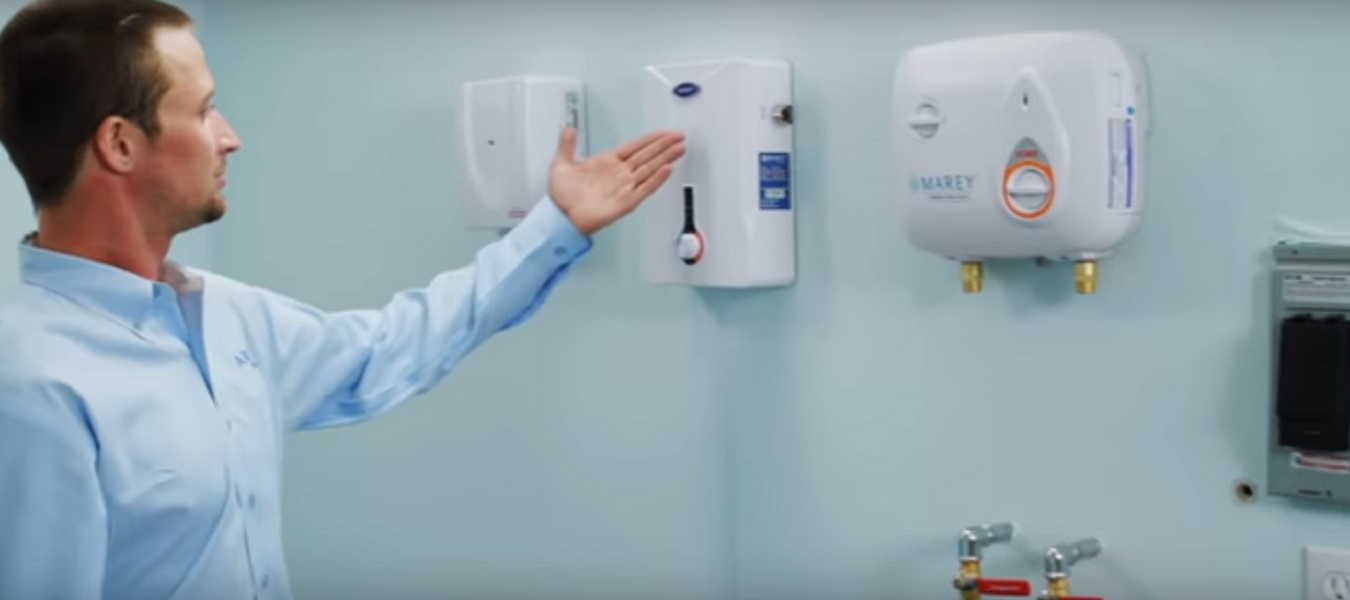
Tankless systems are much smaller and mount directly onto walls. Their compact size frees up valuable storage space while still providing reliable hot water.

This benefit is especially helpful in smaller homes, condominiums, or properties with limited utility room space.

At AC Plumbing, our licensed plumbers help homeowners choose the best installation location to maximize efficiency and convenience.


Why Professional Installation Matters

Proper installation is important for achieving strong performance and energy efficiency. Incorrect installation can reduce efficiency, create inconsistent water temperatures, and shorten the lifespan of the unit.

Licensed plumbers understand local plumbing codes, ventilation requirements, gas lines, and electrical connections necessary for safe operation.

Professional installation also ensures the system is properly sized for your household’s hot water needs. A unit that is too small may struggle to provide enough hot water. An oversized unit may waste energy and increase unnecessary costs.

At AC Plumbing, we focus on quality workmanship and dependable installations that help homeowners enjoy long-term performance and savings.


Maintaining Long-Term Energy Efficiency

Like all plumbing appliances, tankless systems require regular maintenance to perform efficiently. Hard water minerals can build up inside the unit over time and reduce heating performance.

Regular maintenance may include:

  • Flushing the system
  • Inspecting filters and valves
  • Checking heating components
  • Testing water pressure
  • Inspecting gas or electrical connections

Routine service from a licensed plumber helps maintain system performance and protect energy efficiency for years to come.


Conclusion

Tankless water heaters help homeowners lower utility bills by improving energy efficiency and reducing unnecessary energy usage. Unlike traditional systems that constantly heat stored water, tankless units only operate when hot water is needed.

These systems provide reliable hot water, reduce energy waste, and often last much longer than standard storage tanks. Homeowners also benefit from lower utility costs, space-saving designs, and fewer long-term replacement expenses.

Working with a licensed plumber ensures proper installation, safe operation, and reliable performance. At AC Plumbing, we are committed to helping homeowners improve comfort, efficiency, and long-term savings with dependable water heater solutions.